
How Do We Farm for a Better World?
KS3 Resources
8 WEEKS / 8 LESSONS
Core Subject Links:
- Science KS3 – detailed mapping to Biology (selective breeding, food chains, biodiversity, ecosystems, animal interdependence and reliance on insects for food security), Chemistry (fertilisers), and Working Scientifically
- Geography KS3 – human and physical geography, including farming systems, land use, sustainability, and resource management
- Citizenship KS3 – rights and responsibilities, sustainable development, community cohesion, and democracy
Cross-Curricular Opportunities: Design & Technology, Computing, English, PSHE
Additional Coverage:
- Sustainable Development Goals alignment
- British Values
- SMSC (Spiritual, Moral, Social and Cultural Development)
- Key skills development across curriculum areas
- Assessment opportunities and differentiation strategies
- Progression from KS2 to KS4
SDG Links SDG2 Zero Hunger, SDG 3 Health and Wellbeing, SDG12 Responsible Consumption SDG 13 Climate Action SDG15 Life on Land and SDG17 Partnership for the Goals
Lesson Plans
Lesson 1: What Does Farming Look Like?
- Describe common perceptions and realities of farming
- Identify different types and systems of farming
- Explain what animal sentience means
- Describe how intensive farming systems affect farmed animals
- Evaluate different viewpoints on how farmed animals should be treated
Lesson 2: Selective Breeding & Food Chains
- Explain what selective breeding is and why it is used
- Describe advantages and disadvantages of selective breeding in farmed animals
- Understand basic food chains and energy transfer
- Explain how farmed animals fit into human food chains
- Evaluate whether animal farming is an efficient and ethical food system
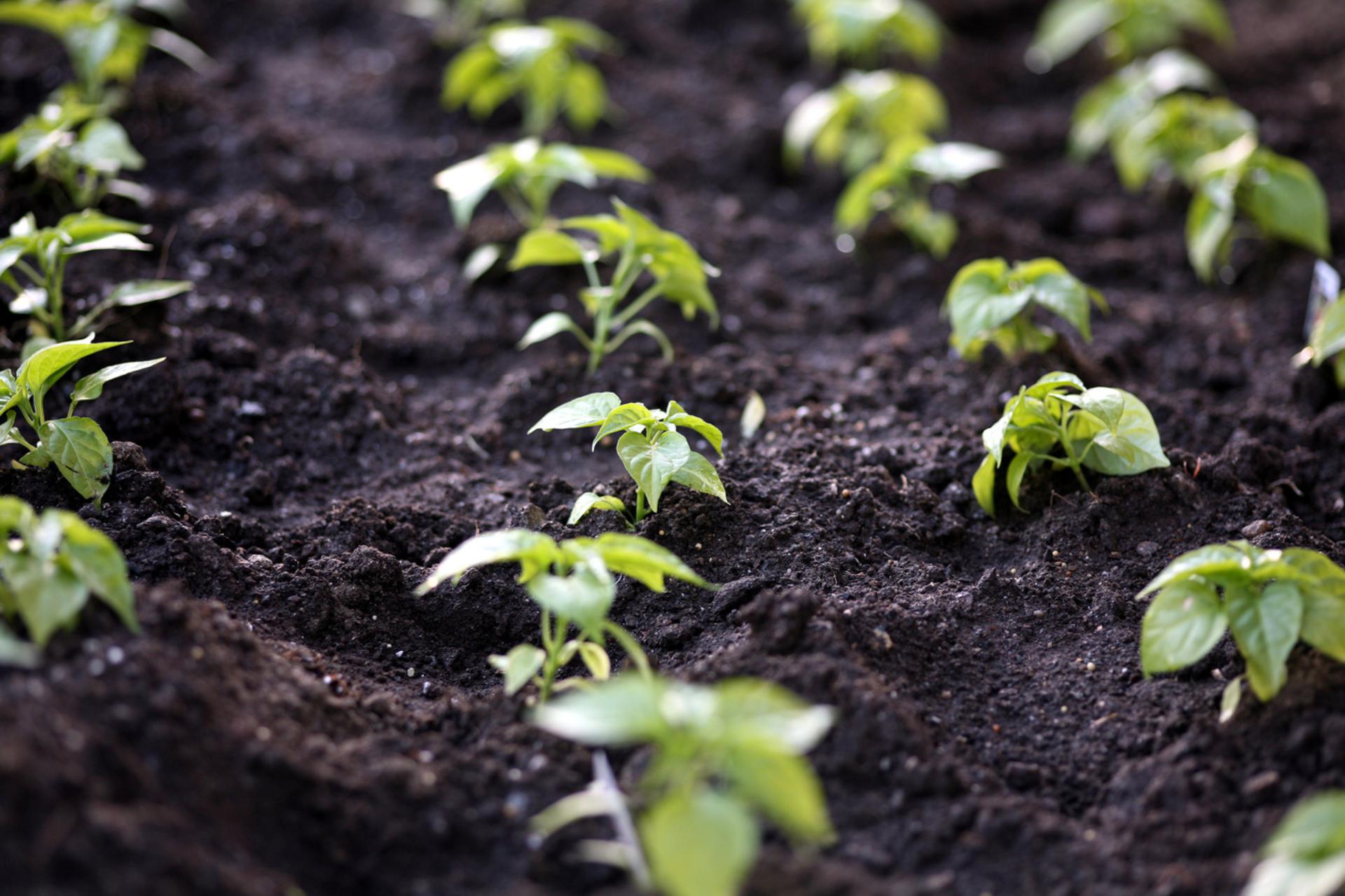
Lesson 3: Soil, Crops & Biodiversity
- Explain why soil is essential for life on Earth
- Identify different types of crops and their uses
- Describe what biodiversity is and why it matters
- Explain how plant and animal agriculture affect habitats and wildlife
- Evaluate whether farming choices can help protect biodiversity and reduce climate change
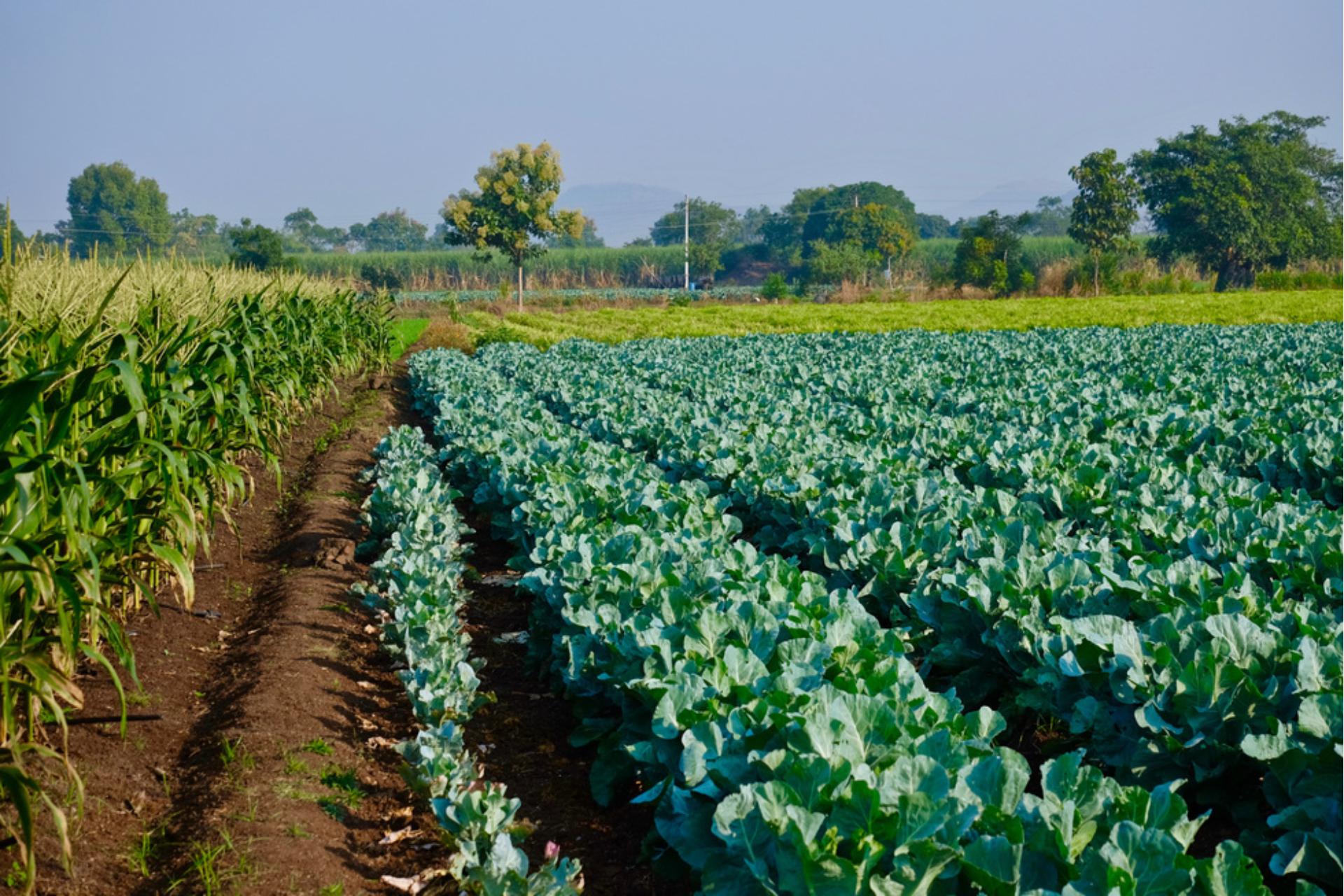
Lesson 4: Is Nature- Friendly Farming the Future?
- Explain what organic farming and vegan organic farming are
- Describe what fertilisers and pesticides do
- Compare natural and synthetic fertilisers and pesticides
- Identify chemicals used in animal farming and their impacts
- Compare organic, vegan organic, and intensive farming systems
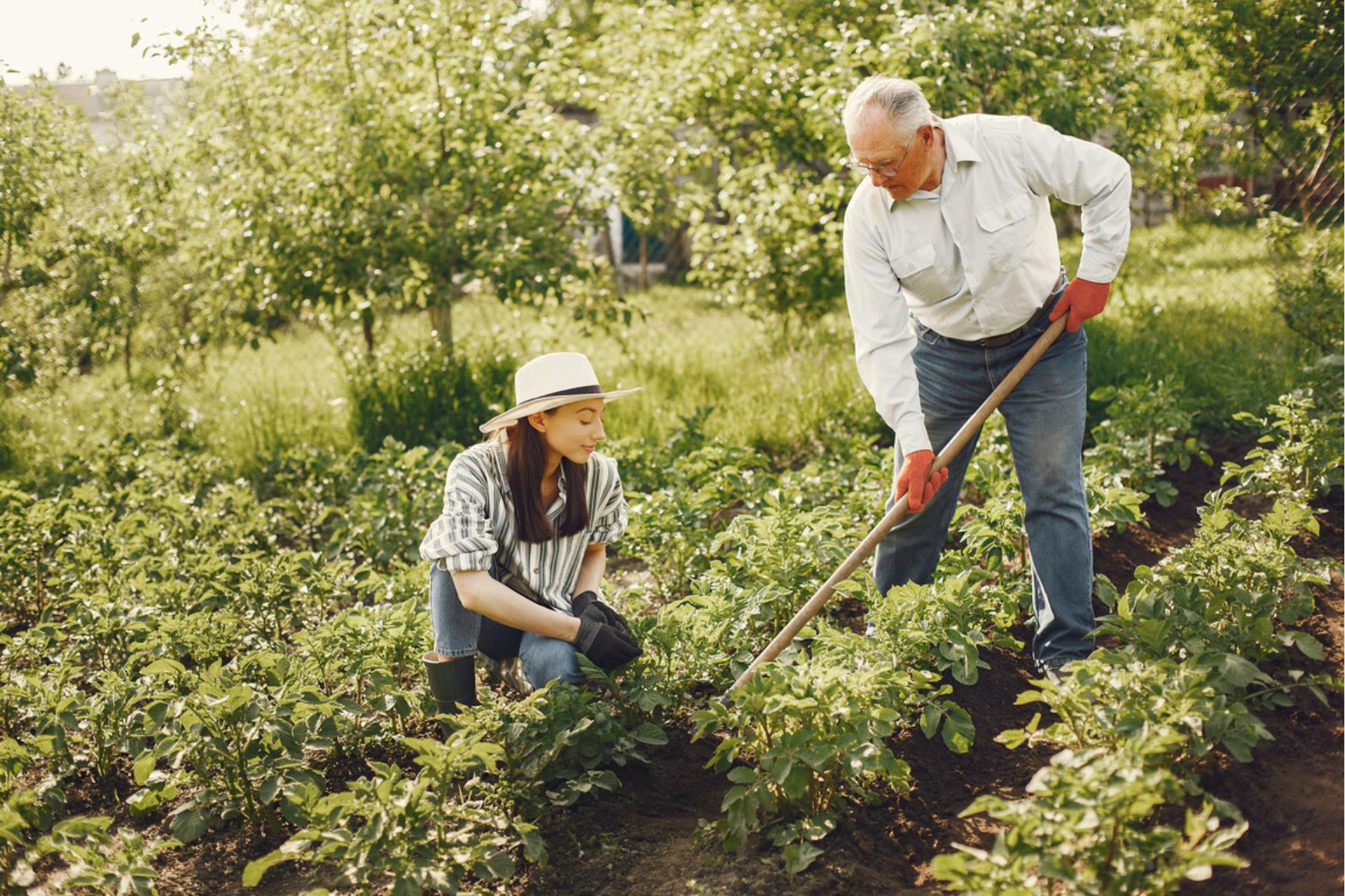
Lesson 5: What are Community Farms?
- Describe what a community farm is and how it operates
- Identify typical sizes and structures of community farms in the UK
- Recognise shared principles of community farming globally
- Explain benefits and challenges of community-led food production
- Design a simple plan for a local community farm, considering sustainability and community needs
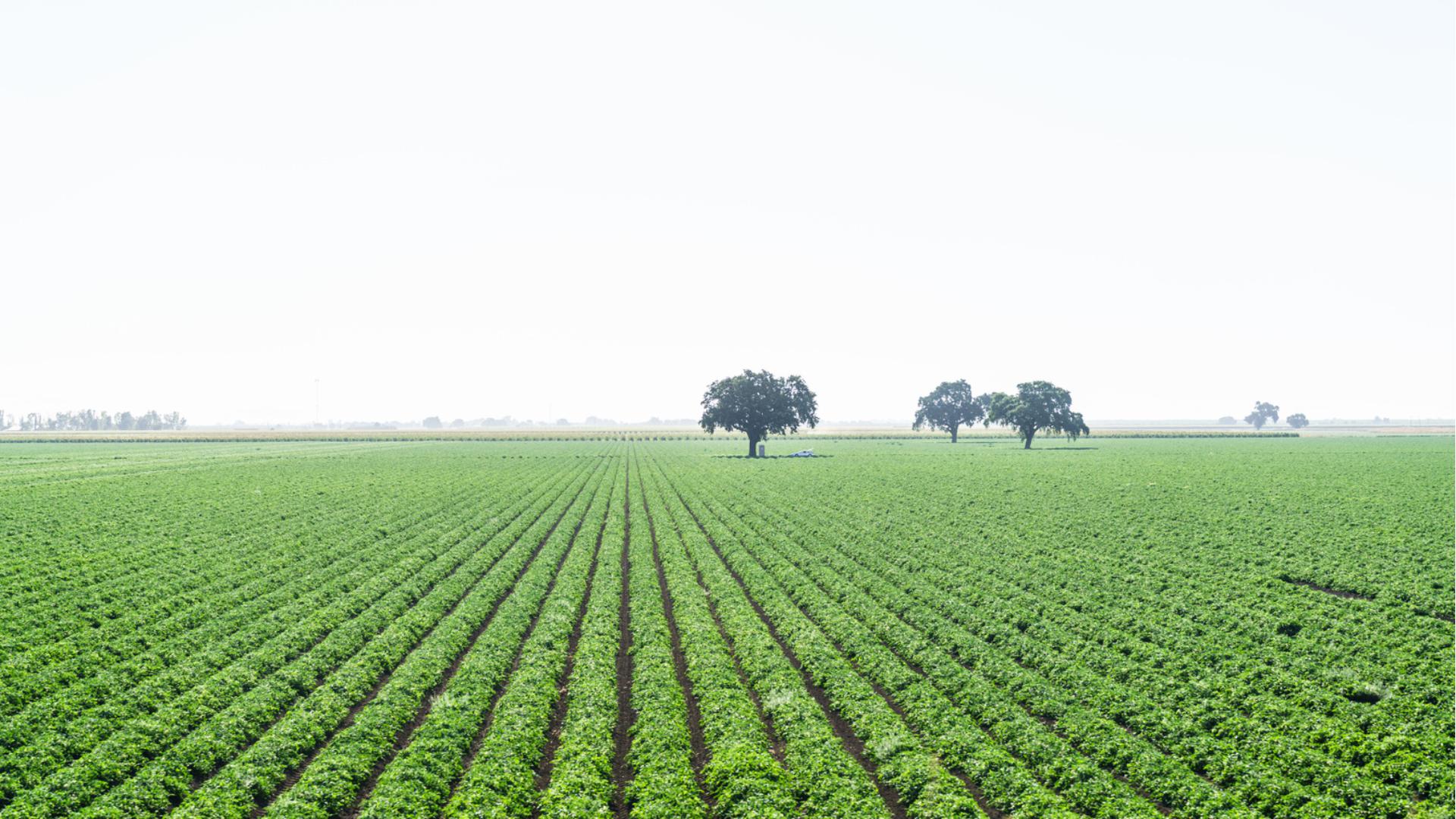
Lesson 6: Can Community Farms Feed People?
- Evaluate whether community farms can feed local populations
- Explain how population density, diet, and land use affect food supply
- Identify limitations of community farming in the UK
- Describe how hydroponics and vertical farming could increase food production
- Suggest realistic adaptations to improve food security
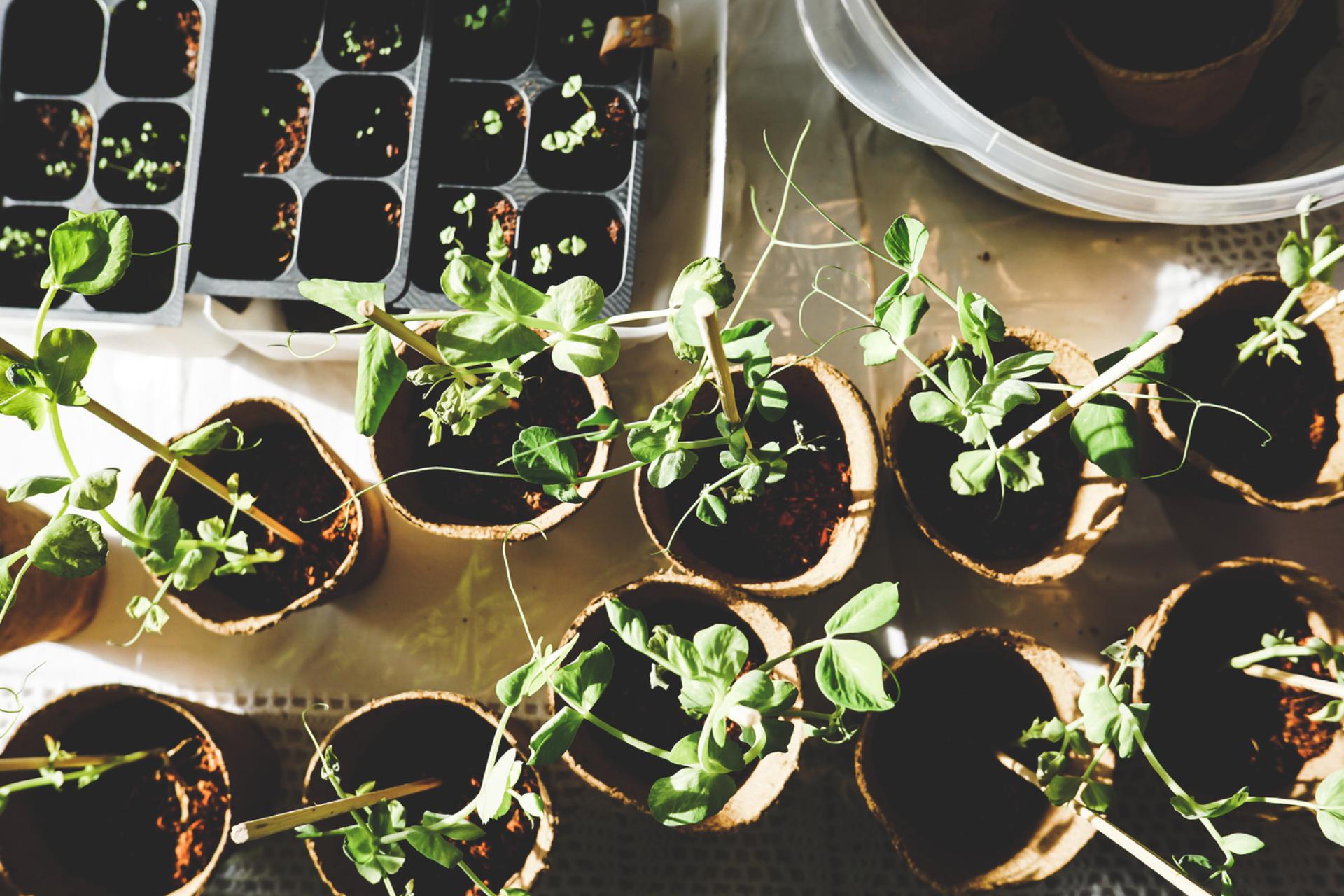
Lesson 7: How Can We Communicate These Ideas?
- Explain how different farming methods affect people, animals, and the environment
- Compare intensive, extensive, organic, vegan organic, community and high-tech farming approaches
- Communicate scientific ideas clearly using digital media
- Present balanced arguments using evidence
- Work collaboratively to plan an engaging educational video
Lesson 8: Can Schools Play a Role?
- Evaluate whether schools can contribute to sustainable food systems
- Apply scientific and practical knowledge to a real-world context
- Identify benefits and challenges of school-based food growing
- Take part in respectful debate and collective decision-making
- Propose realistic solutions for managing a school growing project
Guides
Teacher's notes
- Rationale: Why Teach Food Systems and Farming at KS3?
- Curriculum Alignment
- Big Ideas Running Through the Unit
- Sensitive Content & Classroom Climate
- Progression Across the 8 Lessons
- Assessment for Learning
- Sustainable Development Goals (SDGs)
- Final Note to Teachers
Parent Guide
- Why This Unit Matters
- Curriculum Links
- Key Themes for Students
- Sensitive Content & Classroom Approach
- What Students Will Learn Across 8 Lessons
- How Students Are Assessed
- Links to Global Goals
- Final Note
Parent Summary: How Should We Farm for a Better World?
Glossary & Revision
Glossary
1. Farming Systems & Food Production
2. Environment, Ecosystems & Climate
3. Soil, Plants & Crop Science
4. Animals, Biology & Welfare
5. Food Systems, Diets & Society
6. Thinking Skills, Ethics & Measurement
KS3 REVISION, GAMES & FLASHCARDS PACK
1. Farming Systems & Food Production
2. Environment, Ecosystems & Climate
3. Soil, Plants & Crop Science
4. Animals, Biology & Welfare
5. Food Systems, Diets & Society
6. Thinking Skills, Ethics & Measurement
Teacher’s Notes Using the KS3 Glossaries for Learning & Revision
This guide supports teachers in using the two KS3 glossaries alongside the lesson sequence How Do We Farm for a Better World? It offers practical, flexible activities that build subject knowledge, vocabulary confidence, ethical thinking, and systems awareness, without adding planning burden.
COPYRIGHT & USAGE
© 2026 VinE (Veganism in Education) & Ministry of Eco Education. All resources are provided for educational use only in classrooms, schools and related teaching settings. Content may not be reproduced for commercial purposes without written permission.